Exploring the Twelve Autism Superpowers
Children with Autism Spectrum Condition (ASC) have unique strengths that can be thought of as “superpowers”. In Supporting Children with Autism Spectrum Condition, Chapter 4 focuses on these abilities rather than on challenges.
This post introduces the twelve superpowers, with guidance to help parents, educators and carers recognise and nurture them.
Why superpowers matter
Strengths such as exceptional focus, creativity and loyalty help children with ASC excel in fields like technology, the arts and problem-solving. Recognising them shifts the focus from deficits to assets. It builds a child’s confidence and opens doors. As Chapter 4 explains:
“Autistic individuals often excel in pattern recognition, deep focus, problem-solving, creativity, and loyalty qualities that translate into academic success, professional achievements, and meaningful relationships. By shifting our focus to strengths rather than deficits, we can help children with ASC develop confidence, self-awareness, and long-term opportunities that align with their abilities.”
The twelve superpowers
The book describes each one in detail, with a real-world example and possible careers:
- The Detail Detective
- The Specialist
- The Memory Master
- The Inventive Thinker
- The Truth Teller
- The Puzzle Solver
- The Visualizer
- The Reliable Anchor
- The Sensory Scout
- The Devoted Ally
- The Pattern Perceiver
- The Tenacious Achiever
How to recognise and nurture them
1. Observe strengths. Notice what your child does well, whether that’s spotting tiny details or diving deep into a subject.
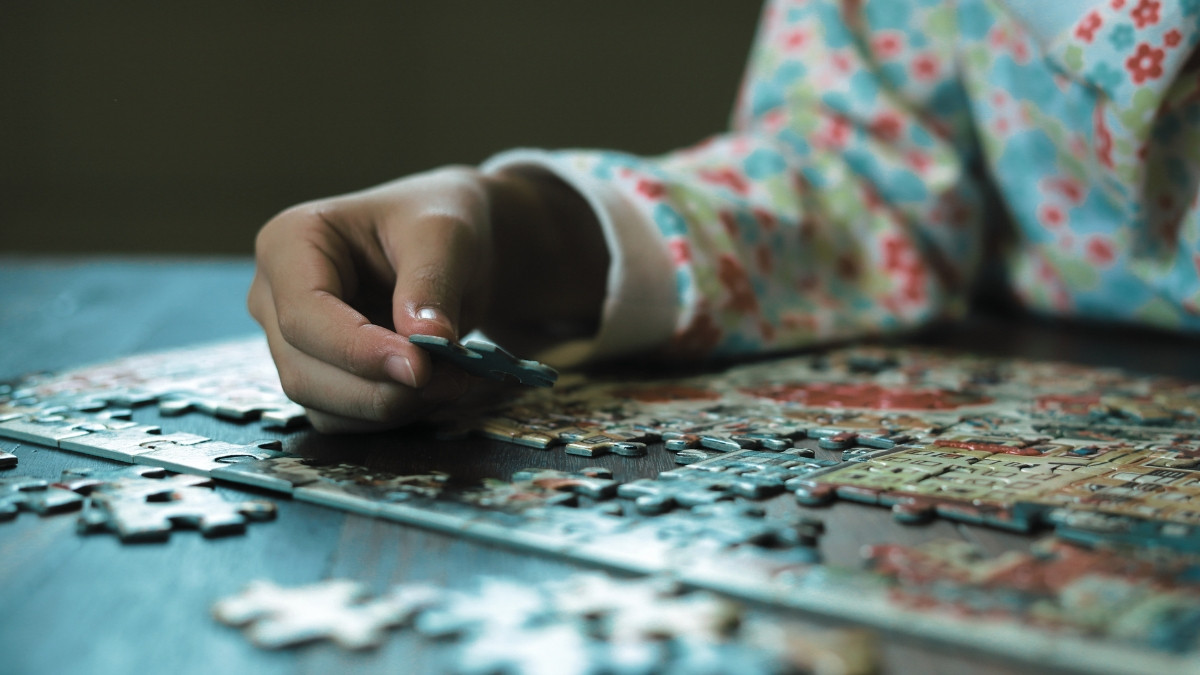
2. Create opportunities. Match activities to their superpowers. A child with strong pattern recognition might love puzzles or coding.
3. Share role models. Real examples can inspire. The book highlights Temple Grandin as a Detail Detective and Satoshi Tajiri, the creator of Pokémon, as a Specialist.
4. Build confidence. Involve your child in decisions to reinforce their strengths and build independence.
5. Track progress. The Superpower Career & Interest Pathway Chart in the Resources appendix connects strengths to future paths.
As Chapter 4 concludes:
“By recognizing and nurturing autistic strengths, we can help individuals with ASC build confidence, develop meaningful careers, and contribute in unique ways to society.”
In practice
A child with the Memory Master superpower might thrive in history or music, using their recall in projects. Teachers can build these strengths into lessons, while parents track growth with the Superpowers Reflection Journal. Working with professionals helps tailor support, as Chapter 10 discusses.
For the full guide to all twelve superpowers, get Supporting Children with Autism Spectrum Condition.
Which superpower do you recognise in your child? Tell us on social media.