Building Social Skills Positively
Social skills and emotional wellbeing help children with ASC form connections and face life with confidence. Supporting Children with Autism Spectrum Condition gives Chapter 8 to positive strategies in both areas.
This post looks at how to build social skills through structured, supportive methods.
Why positive social development matters
With the right guidance, children with ASC can develop meaningful friendships and manage their emotions, leading to greater resilience and happiness. Building on their strengths takes the pressure off and lets skills grow naturally. As Chapter 8 says:
“Social interactions are at the heart of human relationships. They form the foundation for friendships, family dynamics, and professional success later in life.”
Five ways to build social skills
1. Break skills into steps. Teach an interaction one step at a time. Chapter 8 gives this example of joining a group activity:
“Observing what others are doing. Choosing the right moment to approach. Saying, ‘Can I play too?’ Waiting for a response and accepting the outcome.”
2. Use social stories. Short stories that explain a situation can be tailored to your child and the moments they find hard.
3. Practise through role-play. Acting out scenarios in a safe space builds confidence before the real thing.
4. Encourage peer support. A buddy system gives a sense of belonging and natural chances to interact.
5. Celebrate effort. Praise progress to make social experiences positive. Chapter 8 reminds us:
“Progress in social skills and emotional wellbeing may be gradual, but every small step forward is worth celebrating.”
The Resources appendix includes tools such as the Emotion Thermometer Visual, which:
“Helps children identify and communicate their emotional state.”
A printable version is on the ASC resources page.
In practice
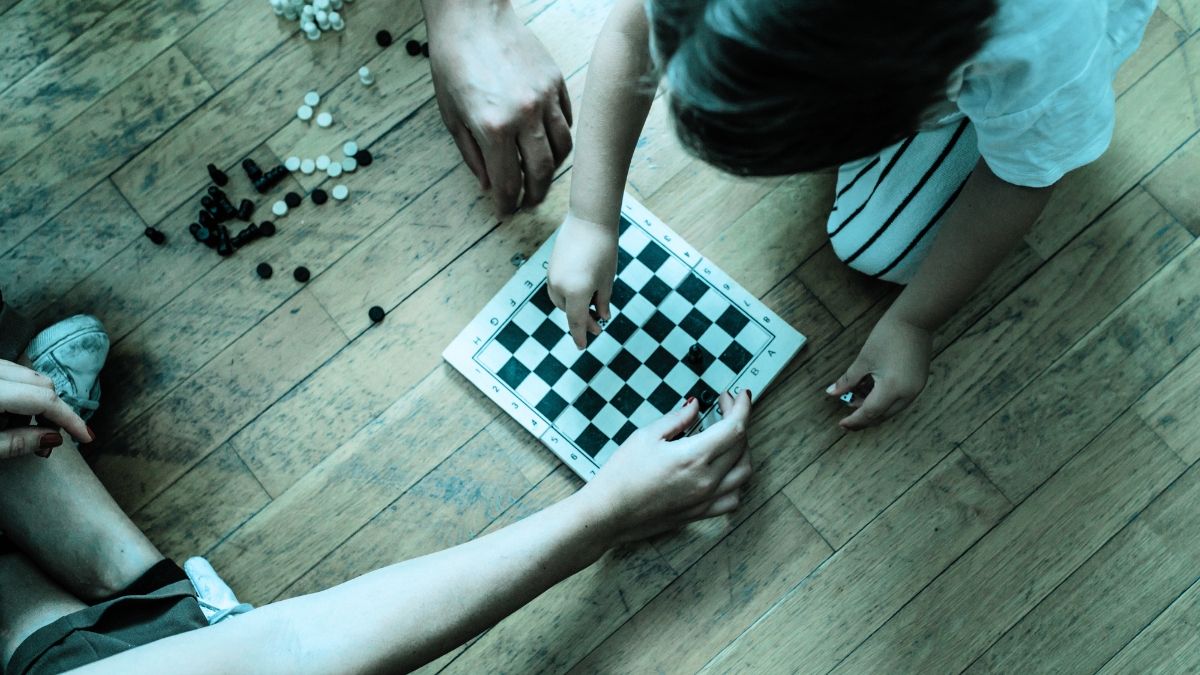
At home, role-play everyday moments like sharing toys. At school, structured games build teamwork. Keeping approaches consistent across home and school makes a big difference, as Chapter 10 discusses.
For more on social skills and emotional wellbeing, see Supporting Children with Autism Spectrum Condition.
What has helped your child make connections? Share your experiences with us on social media.