Creating a Sensory-Friendly Space
Many children with Autism Spectrum Condition (ASC) experience the world through heightened or unique sensory processing. A busy room can feel overwhelming to one child and exciting to another. By creating a sensory-friendly space, parents, educators and carers can reduce discomfort, help with focus and support wellbeing.
This post walks through practical steps to adapt your home or classroom, drawing on Supporting Children with Autism Spectrum Condition.
Why sensory-friendly spaces matter
Children with ASC may be hypersensitive, and overwhelmed by things like loud noises or bright lights. Or they may be hyposensitive, and seek out strong input through activities like spinning. Both can affect focus, behaviour and emotional regulation.
A well-designed space acts as a sanctuary. It reduces triggers and supports self-regulation. If you notice patterns in a child’s reactions, such as distress in noisy areas, you can make changes before problems arise.
As Chapter 3 explains:
“Sensory processing differences are a hallmark of autism, with children experiencing heightened (hypersensitivity) or diminished (hyposensitivity) reactions to sensory stimuli. These differences can significantly impact daily life, affecting everything from clothing choices to participation in social activities.”
Five steps to a sensory-friendly space
1. Spot the triggers. Watch how your child reacts in different settings. Keep a simple log of difficult moments to find patterns, such as a dislike of bright lights or certain textures. The book’s Intersectional Needs Checklist can help you look at your child’s needs as a whole.
2. Reduce overload. Start simple, with neutral colours, soft lighting and clutter-free areas. For hypersensitive children, try noise-cancelling headphones or a quiet corner. Chapter 6 puts it like this:
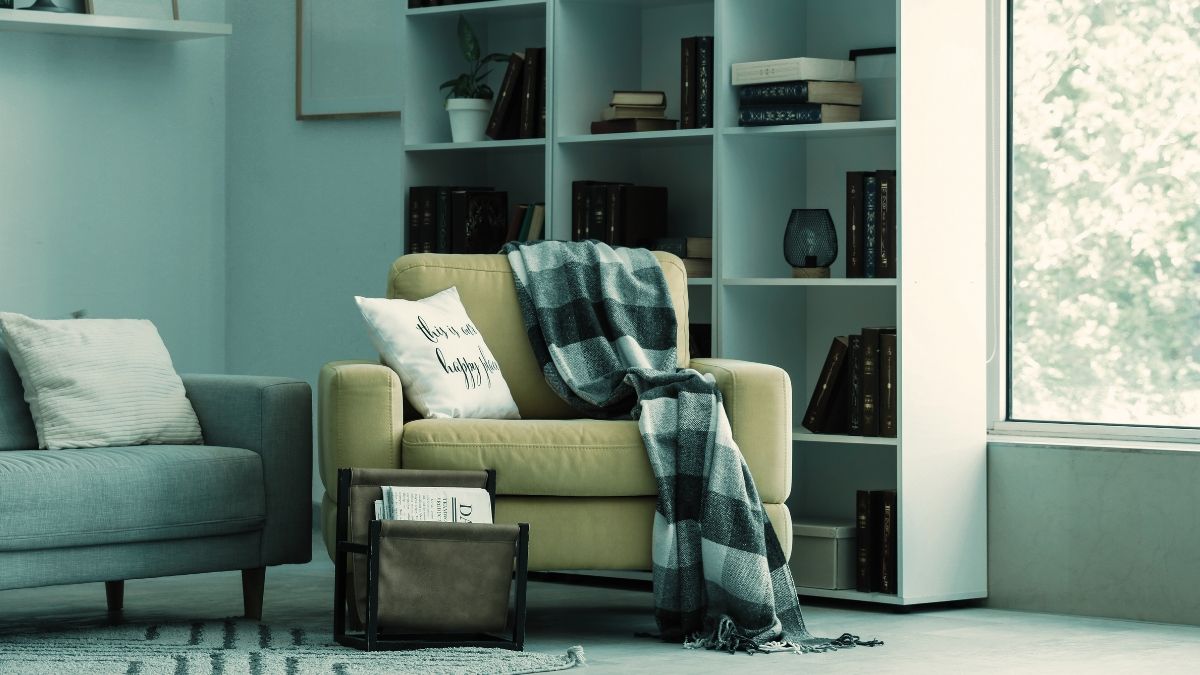
“Creating a sensory-friendly space at home involves minimizing potential triggers and incorporating calming elements… This space might include soft lighting, cushions, weighted blankets, and sensory tools like fidget toys or stress balls.”
3. Add the right kind of input. Hyposensitive children may need more sensory input, not less. Textured materials, weighted items, a small trampoline or sensory toys can give them what they’re seeking.
4. Adapt for home and school. At home, set up a calm-down area with cushions and dim lights. In school, suggest sensory breaks or flexible seating. Chapter 7 says:
“Sensory sensitivities can significantly impact a child’s ability to focus and engage in the classroom. Supporting sensory needs requires understanding and proactive adjustments.”
5. Track and adjust. Keep noting how each change affects your child, and adjust as you go. The Resources appendix includes a Sensory-Friendly Space Checklist, designed:
“To assist parents, educators, and carers in creating environments that minimize sensory overload, promote comfort, and enhance focus for children with Autism Spectrum Condition (ASC).”
A printable version is on the ASC resources page.
Putting it into practice
A parent might turn a bedroom corner into a sensory haven with a soft lamp and blankets, and find meltdowns become less frequent. In the classroom, a teacher might keep a small basket of sensory tools for children to use during lessons.
Working together matters too. Share what you notice with teachers and therapists so that support is consistent, as Chapter 10 discusses.
For more strategies, including how sensory needs link to nutrition and behaviour, see Supporting Children with Autism Spectrum Condition.
Have you made a sensory change that worked? Share it with us on social media.